• home
  • About Us
    • medical centre
    • Our Success Rate
    • Our Commitment
    • Doctors Team
    • Customer Cases
  • Services
    • intrauterine insemination
    • About Follicle Donation
    • About The PGD/PGS
    • About Assisted Reproduction Services
    • About In Vitro Fertilisation
    • About Gender Selection
    • About Testicular Sperm Extraction
    • About Fertility Diagnostic Testing
    • About Fertility Preservation
  • Services Objects
    • Women of advanced age
    • Same-sex families
    • immunological infertility
    • genetic disorder
    • chromosomal abnormality
    • male infertility
    • tubal infertility
    • Polycystic Ovary Syndrome (PCOS): A Comprehensive Analysis and Guidelines for Fertility Management
    • nongamous person
    • HIV carrier
  • NEWS
    • Company News
    • Surrogacy Industry News
    • Surrogacy techniques
  • Package cost
    • For infertile families
    • For unmarried men
    • For unmarried women
  • Contact Us
Home » Surrogacy News » Surrogacy Industry News » IVF operations are not designed to produce a boy

IVF operations are not designed to produce a boy

Date: 03/05/2025

During the IVF process, many people wonder if operations like preferential sperm selection, growing blastocysts, and selecting embryos are done to increase the chances of having a boy. The answer is no.
  Sperm Selection for High Fertilisation Rate, Not Sex Selection
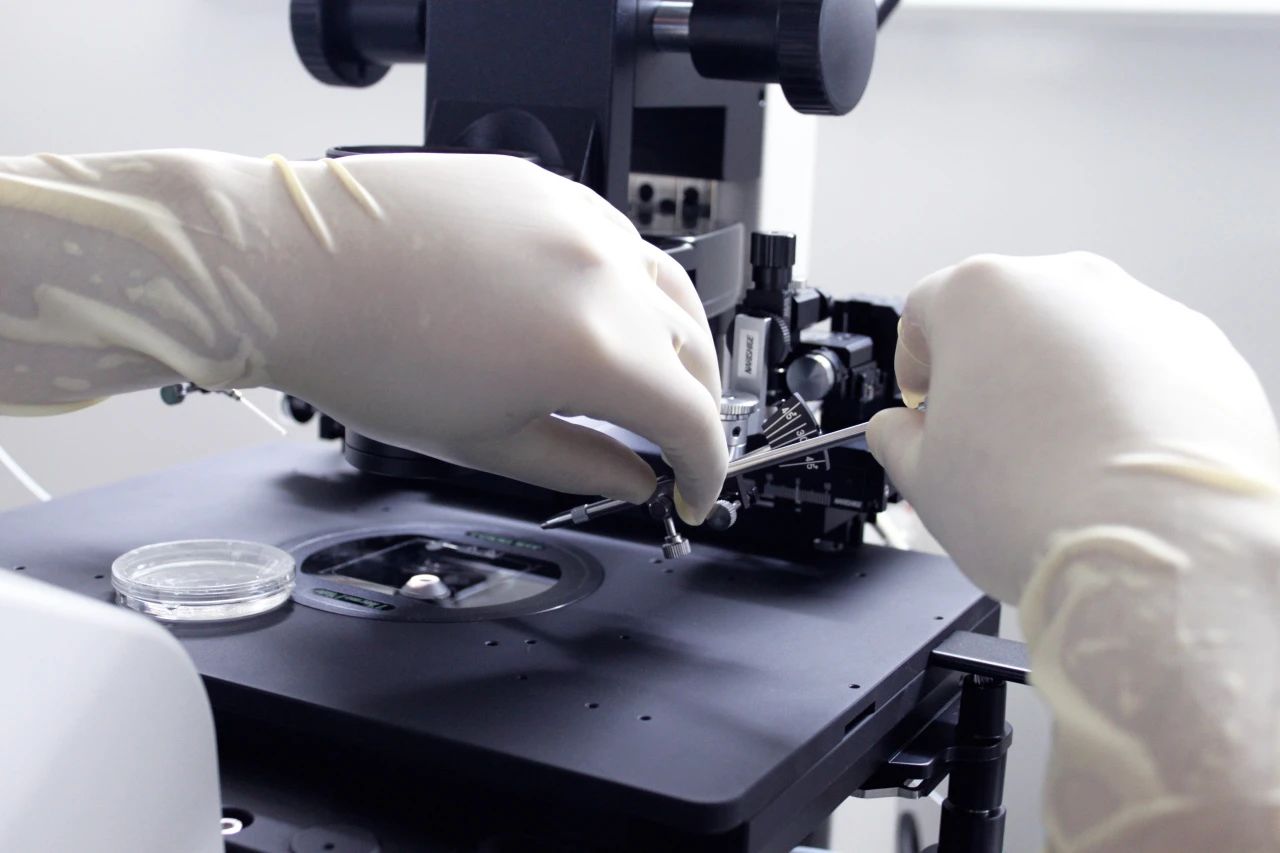

  In an IVF cycle, sperm selection is done to select mature, morphologically normal and active sperm with fertilisation potential for in vitro fertilisation. This significantly improves the fertilisation rate, increases the embryo acquisition rate and improves the quality of the embryos. Although the chromosome carried by the sperm determines the sex of the embryo, it is not possible to tell in advance whether the sperm carries an X chromosome or a Y chromosome, so it is not possible to screen the sperm to achieve the goal of having a boy.
  Cultivation of blastocysts to improve pregnancy and live birth rates
  Fertilised eggs formed by in vitro fertilisation are further cultured in the laboratory to form early embryos. On the third day of culture, the embryo is cleavage and on the fifth day, the embryo is blastocyst. There are numerous advantages of culturing blastocysts; they have a low rate of chromosomal abnormalities, high developmental potential, more physiological timing of implantation, higher pregnancy and live birth rates, and a reduced risk of multiple pregnancies and ectopic pregnancies. Although there is a saying that transferring blastocysts gives birth to a higher percentage of boys than girls, there is no scientific basis for this, and the breeding of blastocysts is only for the purpose of increasing the pregnancy rate and live birth rate, and is not used for gender selection.
  Embryo Selection for Embryo Transfer, Picking High Quality Embryos to Enhance Success Rate
  Embryo selection is the process of rating the development of embryos during the embryo culture process and selecting the higher rated quality embryos for transfer. Both cleavage embryos and blastocysts have their own grading standards, for example, for cleavage embryos on the 3rd day, 7 – 9 cell grade I – II embryos are high quality embryos; for blastocysts on the 5th day, stage 3 – 6 BB grade and above are high quality embryos (blastocysts are ranked in the order of their qualities: AA, AB, BA, BB > AC, BC, CA, CB > CC, AA, AB, BA, BB are high quality blastocysts, and CC is the worst and cannot be used). The higher the rating, the better the quality of the embryo and the higher the developmental potential after transfer. However, selective embryo transfer is different from pre-implantation genetic diagnosis in 3G IVF, where blastocyst cells are directly chromosomally characterised, whereas in the former, only the higher ‘value’ embryos are selected from the formed embryos in order to increase the pregnancy rate.
  In summary, the operations in an IVF cycle are designed to help infertile couples achieve their fertility goals, not to increase the likelihood of having a boy.

Tags: ivf
Previous post: Uterine Cavity Adhesion - A Roadblock on the Way to Pregnancy Preparation Next post: Can IVF solve the problem of ovarian decline? What kind of conditioning should be done before doing IVF?

相关推荐

  • Egg Donation: Complete Guide for Parents 2026
  • Surrogacy Medical Process: What to Expect 2026 2026
  • Embryo Transfer: What to Expect Step-by-Step
  • Mexico Surrogacy: What You Need to Know 2026 2026
  • Argentina Surrogacy: Legal Framework 2026 2026

Search within the site

Surrogacy News

  • Company News
  • Surrogacy Industry News
  • Surrogacy techniques
  • home
  • About Us
    • medical centre
    • Our Success Rate
    • Our Commitment
    • Doctors Team
    • Customer Cases
  • Services
    • intrauterine insemination
    • About Follicle Donation
    • About The PGD/PGS
    • About Assisted Reproduction Services
    • About In Vitro Fertilisation
    • About Gender Selection
    • About Testicular Sperm Extraction
    • About Fertility Diagnostic Testing
    • About Fertility Preservation
  • Services Objects
    • Women of advanced age
    • Same-sex families
    • immunological infertility
    • genetic disorder
    • chromosomal abnormality
    • male infertility
    • tubal infertility
    • Polycystic Ovary Syndrome (PCOS): A Comprehensive Analysis and Guidelines for Fertility Management
    • nongamous person
    • HIV carrier
  • NEWS
    • Company News
    • Surrogacy Industry News
    • Surrogacy techniques
  • Package cost
    • For infertile families
    • For unmarried men
    • For unmarried women
  • Contact Us

Hot Tags.

international surrogacy surrogacy laws embryo transfer fertility treatment surrogacy cost ivf surrogacy legal South America surrogacy blastocyst transfer IVF success rates travel after surrogacy birth Mexico surrogacy surrogacy by country surrogacy in Mexico surrogacy birth certificate

TATECARE International Reproductive Group was established in 2011 to reshape the lives of families around the world.

Latest Articles

  • Mexico Surrogacy: What You Need to Know 2026 2026
  • Argentina Surrogacy: Legal Framework 2026 2026
  • Travel & Passport After Surrogacy Birth 2026

SurrogacyNews

  • Mexico Surrogacy: What You Need to Know 2026 2026
  • Argentina Surrogacy: Legal Framework 2026 2026
  • Travel & Passport After Surrogacy Birth 2026

NEWS

  • Company News
  • Surrogacy Industry News
  • Surrogacy techniques

Georgia Surrogacy Services,Legal IVF Hospital,Global Fertility Agency

Go to top
home home
 customers customers
Service Service
About About